
The rapid evolution of technology has fundamentally reshaped how sports betting markets operate, with data now serving as the central driving force behind forecasting accuracy, odds modeling, and bettor engagement. As the industry moves beyond traditional statistics toward sensor-driven intelligence, computer vision, micro-tracking and AI-enhanced analytics, the competitive landscape is changing for bookmakers, bettors, and data providers alike. Understanding how these innovations interact is crucial for anticipating the next decade of growth in sports betting ecosystems.
This article explores how advanced tracking systems, wearable sensors, and deep performance analytics are defining a new era of predictive insight.
Advanced Athlete Tracking as the Foundation of Predictive Betting
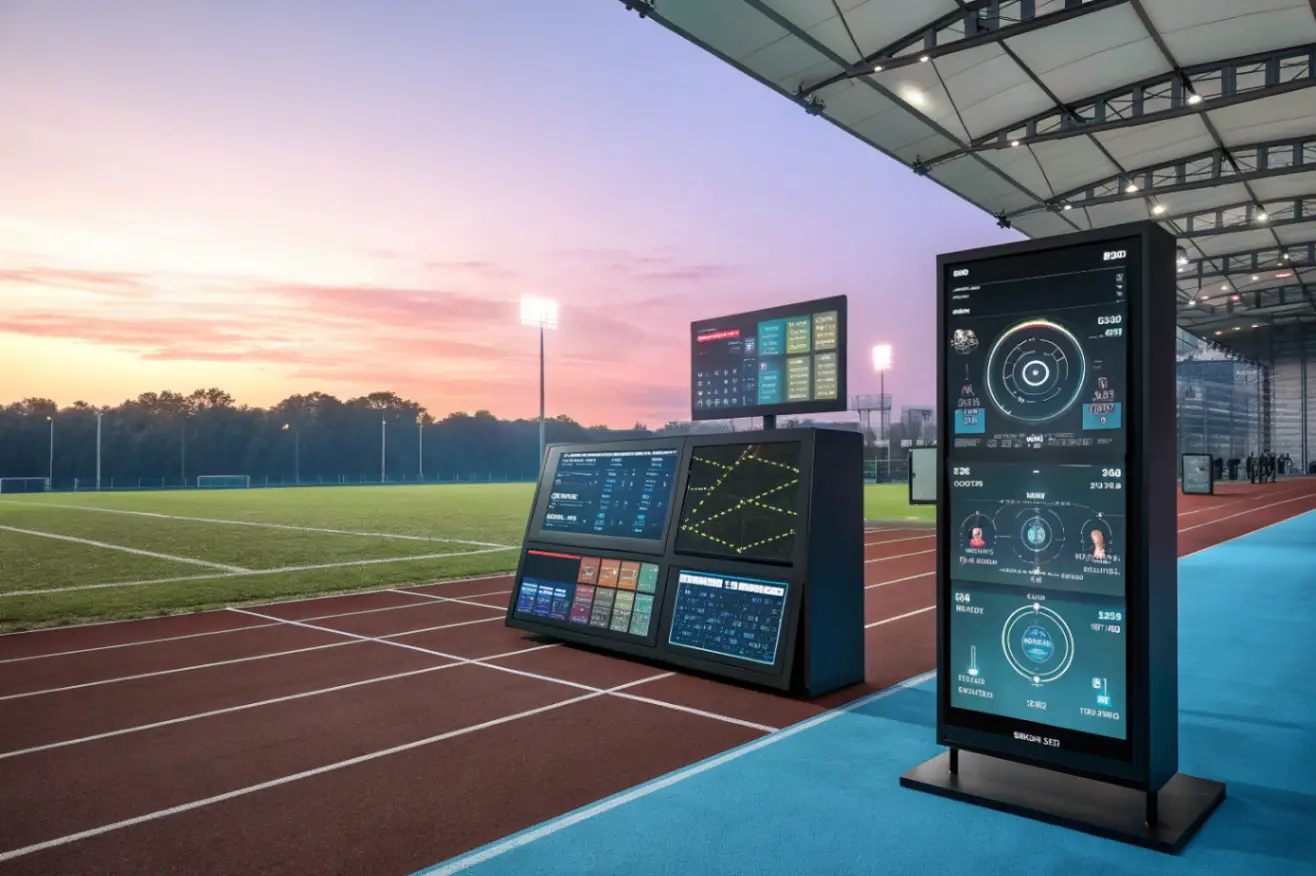
The first major transformation in sports data arises from hyper-accurate tracking systems capable of capturing thousands of data points per second. Optical tracking and LIDAR-based systems can now quantify micro-movements, player positioning, acceleration curves, and tactical spacing in ways that were impossible just a few years ago. Sportsbooks increasingly rely on these granular streams to build dynamic odds that reflect real-time changes in momentum or injury risk. At the same time, bettors gain access to deeper contextual metrics that move beyond legacy box-score models. This shift aligns the betting experience more closely with the actual physical reality of the game, enabling strategies built on measurable patterns rather than intuition alone.
Wearable Sensors and Real-Time Biometric Intelligence
How Sensor Data Enhances Market Precision
Wearables have become essential tools for elite sports performance, but they also represent the next frontier in betting intelligence. Heart rate variability, hydration levels, muscle fatigue patterns, and sleep quality can all influence an athlete’s in-game output and risk of decline. When aggregated and anonymized, this type of biometric data creates a new class of betting signals that reveal the hidden physiological factors behind performance volatility. Sportsbooks can incorporate these metrics to refine live markets and identify conditions that may precede a momentum shift or unexpected outcome.
Ethical and Regulatory Challenges
The integration of sensors in betting raises questions around athlete consent, data ownership, and competitive fairness. Regulatory bodies are still shaping frameworks that balance innovation with privacy protection. As the volume of biometric data increases, transparency will be essential. Sports organizations, data vendors, and betting operators must collaborate to ensure that individuals’ rights are safeguarded while the broader ecosystem benefits from enhanced analytical depth.
Deep Performance Analytics and AI-Driven Forecasting
The Rise of Machine Learning in Betting Markets
Machine learning models now process millions of historical and live data points to identify correlations unseen by human analysts. These models evaluate player habits, tactical sequences, weather conditions, and lineup dynamics to generate probability-based insights. For bettors, this enables more accurate decision-making grounded in quantifiable trends. For sportsbooks, AI reduces pricing inefficiencies and improves risk management. The future will see increasing use of neural networks, reinforcement learning, and deep simulations that can predict game states several steps ahead.
A Mid-Article Transition Into Applied Insights
As sportsbooks shift toward AI-enhanced modeling, understanding the interplay between different data types becomes vital. At this stage, it is helpful to highlight the core categories of future-oriented sports data that power these systems. Below are the most influential classes of information shaping next-generation betting analytics, presented here to clarify how multi-layered datasets elevate forecasting precision:
- Real-time positional tracking that maps athlete movement and tactical structure.
- Biometric sensor data providing physiological context behind performance changes.
- Computer-vision insights that automate event detection and classify micro-actions.
- Predictive models trained on historical records spanning seasons and tournaments.
- Environmental and situational metrics such as venue conditions and scheduling density.
These categories together form the analytical backbone that AI systems use to generate accurate probability distributions. After identifying these data layers, the next step is understanding how they integrate into operational systems that sportsbooks and bettors rely on.
Integrating Comprehensive Data Streams Into Betting Platforms
Advanced betting platforms must align various forms of data—tracking, biometrics, video analytics, and contextual metadata—into unified predictive engines. Below is a table introducing how the main data sources differ in purpose and application. It illustrates why multi-modal integration is becoming essential for competitive accuracy in modern betting markets.
| Data Type | Primary Purpose | Example Betting Use Case |
|---|---|---|
| Tracking Data | Measures positioning, acceleration, spacing | Live odds adjusting during tactical shifts |
| Biometric Data | Captures physiological readiness | Predicting fatigue-related outcome swings |
| Computer Vision Data | Automates event detection | Micro-market creation for in-play events |
| Historical Data | Establishes long-term patterns | Pre-match probability modeling |
| Environmental Data | Reflects external conditions | Weather-adjusted forecasting models |
This comparison shows how each data stream serves a specific analytical function. While individually valuable, these datasets achieve their highest potential when processed together. Sportsbooks that adopt integrated data pipelines can price odds more precisely and detect inefficiencies faster than competitors. Bettors, in turn, gain greater visibility into the factors driving market behavior.
The Future Landscape of Sports Data and Betting Innovation
Toward Hyper-Personalized Betting Experiences
As data ecosystems mature, bettors will receive personalized insights based on their habits, risk tolerance, and preferred sports. AI will tailor recommendations, identify mismatches between user expectations and market conditions, and even flag opportunities derived from unique combinations of tracking data and predictive analytics. This personalization mirrors trends across digital platforms but will reach new sophistication in sports betting.
The Evolution of Real-Time Predictive Systems
Live betting already represents a substantial portion of global handle, and its growth depends heavily on latency reduction and faster data processing. With improved sensor resolution, cloud-edge computing, and ultra-low latency data delivery, bettors will see probabilities update with near-instant responsiveness to in-game micro-events. This will create a more immersive experience while challenging sportsbooks to maintain stability amid accelerated information flows.
Conclusion
The future of sports data for betting is defined by the convergence of tracking technologies, biometric sensors, computer-vision automation, and AI-driven analytics. Each innovation expands the depth and speed of insight available to both sportsbooks and bettors. As regulations evolve and data pipelines become more sophisticated, the industry will transition toward hyper-accurate forecasting models and personalized betting environments. Those who understand how these emerging data systems operate will be positioned to capitalize on the next era of innovation in sports betting.